Car Maintenance & Repair · Oct 18, 2026
Transmission Fluid Leak: Repair the Source or Replace the Unit?
Learn how to trace a transmission-fluid leak and decide whether a line, seal or pan repair is enough—or replacement diagnosis is justified.
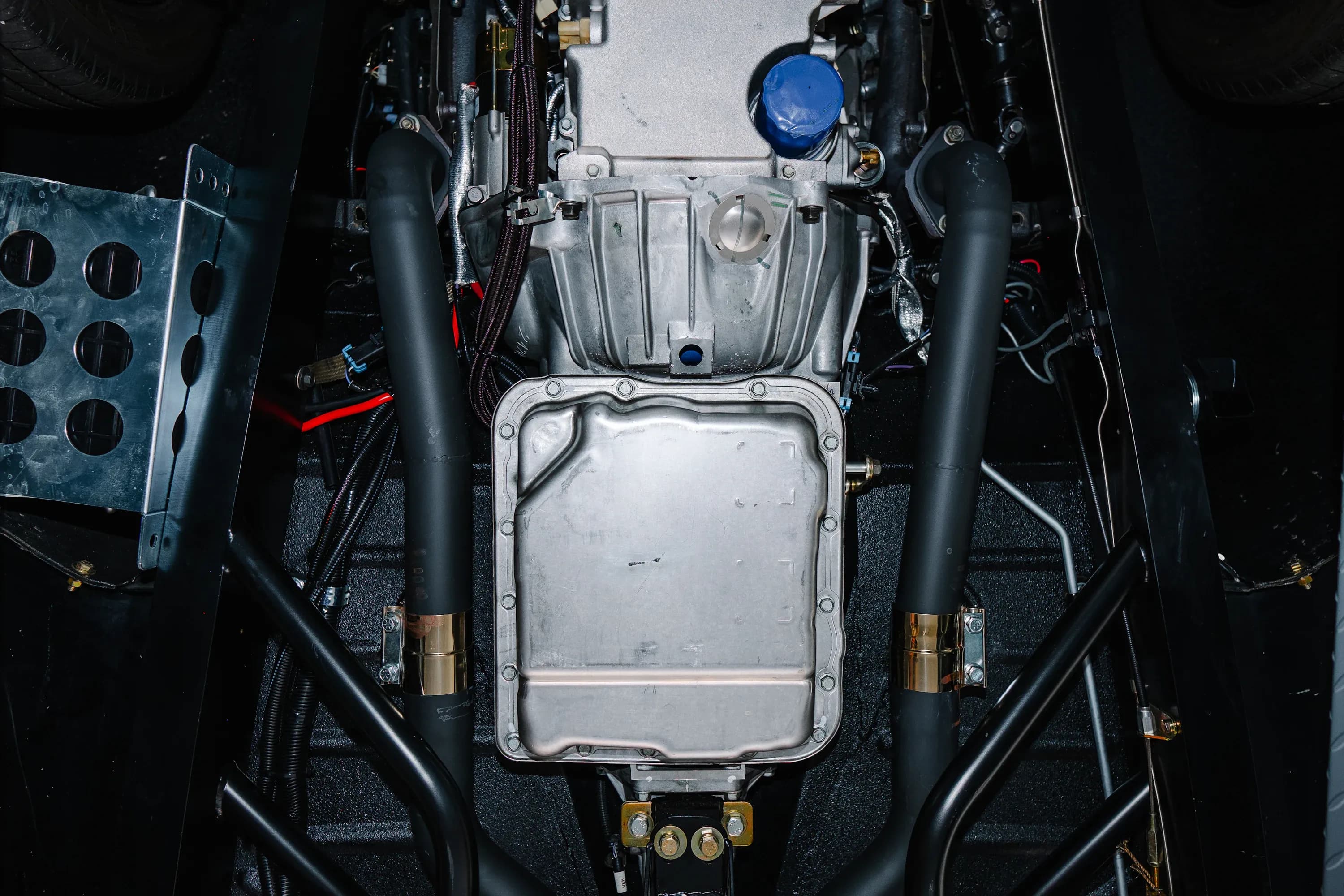
A transmission-fluid leak does not automatically mean the transmission needs replacement. The correct first step is to clean the area, identify the fluid and trace the highest wet point. Common external leak paths include cooler lines and fittings, the pan or filter housing, electrical connector seals, axle or output seals, and the bellhousing area. A complete unit becomes a reasonable buying discussion only after the leak source and any internal damage are established.
Why the lowest drip is often misleading
Fluid runs along the case, crossmember and splash shields before reaching the floor. Airflow can also push it rearward while the vehicle is moving. The place where a drop forms may be well below or behind the actual source.
Before ordering a part, a technician should clean the case and surrounding components, verify the fluid type, then inspect again after the vehicle is operated according to the service procedure. Some leaks appear only when the fluid is hot and circulating; others are easiest to see after shutdown. Follow the manufacturer's level-check procedure because some transmissions require a specified fluid temperature and engine-running condition.
Do not continue driving merely to confirm a leak if the level may be low, the vehicle is shifting abnormally, or fluid is reaching a hot exhaust surface. Low fluid can interrupt lubrication and hydraulic control.
Leak location versus likely repair scope
The visible location narrows the search, but it does not prove which part has failed.
- Cooler line or fitting: Look for wetness at the line crimp, quick-connect fitting, retaining bolt, seal or heat exchanger connection. Ford documented 2020–2021 Mustang Shelby GT500 cases in which improperly seated or cracked cooler tubes—and even damaged retaining-bolt threads—could be repaired without replacing the transmission. GM and Audi have separately published vehicle-specific cooler-line leak procedures. These examples are not universal instructions; they show why the exact vehicle bulletin and service manual matter.
- Pan or filter housing: Check the pan rail, drain plug, filter cover and nearby case joints. A distorted pan, damaged sealing surface, incorrect fastener procedure or leaking service component may mimic a larger case leak.
- Electrical connector or case pass-through: Fluid can escape around a connector sleeve or seal and spread across the case or harness. Confirm the approved seal and installation procedure for the exact transmission.
- Axle, output or driveshaft seal: A wet seal area may point to a worn seal, but the installer should also inspect the mating shaft surface, bearing play and venting. Replacing only a seal will not correct a damaged surface or excessive movement.
- Bellhousing area: Fluid between the engine and transmission can come from either assembly. Identify whether it is engine oil, transmission fluid or another fluid before assuming the front pump, input area or torque converter is responsible.
- Case crack or porous casting: Confirm the source after cleaning. Fluid tracking from a higher fitting or seal can make an intact case look cracked.
When a leak may signal more than an external seal
A repairable external leak and a damaged transmission can exist at the same time. The buying decision changes when low fluid has been accompanied by delayed engagement, slipping, loss of drive, harsh operation, abnormal noise, overheating, debris in the pan or transmission-related diagnostic trouble codes.
A scan report does not condemn the transmission by itself, and clean-looking fluid does not prove the unit is healthy. The diagnosis should combine the verified leak point, correct fluid level, road-test behavior where safe, scan data, service information and an internal inspection when warranted.
If replacement is recommended, use the automatic-transmission fitment checklist before ordering. It explains why the transmission identification code, drive layout, connectors, calibration needs and included components matter in addition to year, make and model.
Buyer checklist before authorizing a transmission purchase
Ask the repair shop to document:
- The exact fluid identified and the method used to distinguish it.
- The highest confirmed wet point after cleaning and reinspection.
- Photos or video of the source, not only the drip on the floor.
- The fluid level and the manufacturer-specified checking conditions.
- Any diagnostic trouble codes and the results of relevant pinpoint tests.
- Whether cooler lines, fittings, pan components, connector seals, axle or output seals, vents and mating surfaces were inspected.
- Whether the transmission has delayed engagement, slipping, noise, overheating or debris indicating internal damage.
- The applicable OEM service procedure or bulletin for the vehicle.
- Why a localized repair is or is not appropriate.
- If replacement is justified, the original unit's identification code, part number and physical configuration.
Use the VIN decoder to confirm the vehicle's basic identity, but do not treat the VIN as the only interchange check. When requesting a replacement, include the original transmission code, engine, drive type, build details and photos with the parts quote request.
Repair the leak or replace the transmission?
A localized external repair is generally the better path when the source is positively identified, the surrounding hardware and sealing surfaces are serviceable, fluid loss has not produced internal symptoms, and the manufacturer provides an approved repair.
Replacement becomes more reasonable when diagnosis confirms internal mechanical damage, an unserviceable case or sealing surface, severe contamination, or damage that cannot be corrected with an approved component-level repair. The final decision should reflect the exact transmission and manufacturer procedure—not the size of the stain on the floor.
Frequently asked questions
Can transmission fluid leak only while driving?
Yes. Pressure, temperature and fluid circulation change during operation. Airflow may also spread the fluid, which is why cleaning and a controlled reinspection are more reliable than judging the parking spot alone.
Does a bellhousing leak mean the torque converter is bad?
Not necessarily. The fluid must first be identified and traced. Engine oil can enter the same area, and transmission fluid there may originate from more than one seal or component.
Can a leaking cooler line damage the transmission?
It can if enough fluid is lost to reduce lubrication or hydraulic pressure. Stop and check the specified level and repair procedure rather than repeatedly topping up an unidentified leak.
Should stop-leak additive be used before diagnosis?
Do not add a product unless the vehicle manufacturer specifically approves it for that transmission and condition. An additive can complicate diagnosis and may not be compatible with the required fluid or internal materials.
Is a replacement transmission matched by year, make and model alone?
No. Transmission code, engine, drive configuration, production details, hardware and calibration requirements may all matter. Verify interchange before purchase.