Car Maintenance & Repair · Oct 13, 2026
Why the VIN Is Only the Start: Used Automatic Transmission Fitment Checklist
Learn why a VIN is only the starting point when matching a used automatic transmission, and what codes, hardware, and programming details to verify.
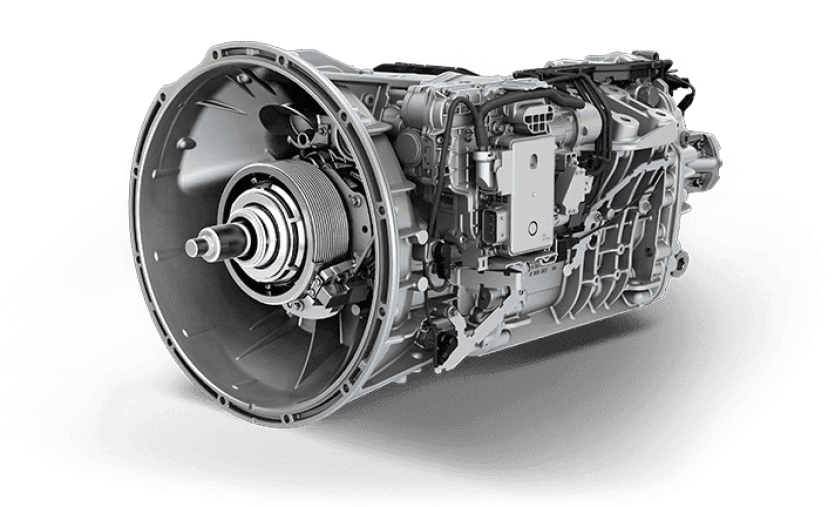
A VIN helps identify the vehicle, but it does not replace the transmission’s own code, label, and physical configuration. Before buying a used automatic transmission, match the unit to the engine, drive layout, transmission family, calibration requirements, connectors, and installation scope.
Why year, make, and model are not enough
One model year can include several engines, transmission families, gear counts, drive systems, production changes, or market-specific configurations. Two units may have similar cases yet differ in internal ratios, bellhousing pattern, output arrangement, sensors, solenoid strategy, or control software.
Start with the full 17-character VIN and use the VIN decoder to confirm the basic vehicle identity. Then compare the original transmission’s identification label, stamped code, or part number with the proposed replacement. If the label is unreadable, ask the repair shop or supplier which additional build data and physical checks are required.
Record the original transmission identification
Photograph the transmission before removal if access permits. Capture:
- The complete identification label or metal tag
- Every stamped or etched transmission code
- OEM part, assembly, and serial numbers
- Bellhousing and case shape
- Electrical connectors and harness routing
- Cooler-line fittings and their locations
- Mounting bosses, brackets, and crossmember position
- Input and output arrangements
- Transfer-case connection on four-wheel-drive applications
- Pan shape and sensor locations
Do not match by pan shape or appearance alone. Those clues can narrow a search, but they cannot establish interchange without the required codes and vehicle data.
Confirm the complete vehicle configuration
Give the supplier the VIN plus the exact engine, drive type, and body configuration. Clarify whether the vehicle is front-wheel drive, rear-wheel drive, all-wheel drive, or four-wheel drive. On trucks and SUVs, two-wheel-drive and four-wheel-drive versions may use different output arrangements even when the transmission family name is similar.
Also state whether the vehicle uses gasoline, diesel, hybrid, or another powertrain design. Features such as automatic stop-start, electronic shifters, towing packages, and production-date changes may affect the required hardware or calibration. Only include a feature in the match when the manufacturer’s catalog or service information shows that it matters for that vehicle.
The existing used-transmission buyer guide covers the broader differences between used, rebuilt, and remanufactured options. This checklist focuses specifically on preventing a fitment mismatch.
Ask what “transmission assembly” includes
A used automatic transmission listing may not include every component needed for installation. Request a written answer for each of these items:
- Torque converter
- Valve body and solenoids
- Internal or external transmission control module
- Wiring harness and electrical connectors
- Range sensor or neutral-safety function
- Speed sensors
- Cooler lines and fittings
- Mounts, brackets, and inspection covers
- Flexplate, if relevant
- Transfer case or power transfer unit
- Fluid, filter, pan gasket, seals, and installation hardware
A transfer case is a separate driveline component and should not be assumed to come with a four-wheel-drive transmission. Likewise, an attached torque converter should not be assumed serviceable or correctly matched merely because it arrives with the unit.
Plan for programming and adaptive learning
Modern automatic transmissions can rely on software, module configuration, solenoid data, and adaptive values. The exact procedure is vehicle-specific. Ford service information, for example, documents applications where technicians must enter a transmission solenoid strategy number, program the PCM or TCM, and perform an adaptive learning process. Honda service information similarly notes that newly installed programmable control units require updating.
These examples do not mean every replacement transmission uses the same steps. They show why the installer should check the manufacturer’s service procedure before ordering. Ask:
- Does the replacement include a TCM, and is it internal or external?
- Must a solenoid-body, strategy, calibration, or characterization code be entered?
- Does the vehicle require module programming, initialization, security setup, or VIN writing?
- Is an adaptive reset or prescribed relearn drive cycle required?
- Does the shop have the correct scan tool, software access, and battery-support equipment?
Programming cannot correct a mechanically incompatible unit. Establish hardware interchange first, then plan the required electronic setup.
Check the cooler and contamination plan
When a transmission fails internally, debris can remain in the cooler and lines. The installer should follow the vehicle manufacturer’s procedure for inspecting, flushing, or replacing cooler components. Ask the shop to document its plan before installation, because restricted flow or retained contamination can jeopardize the replacement.
The specified fluid also matters. Use the exact fluid type and fill procedure required for the vehicle and transmission. Fluid color alone is not a reliable substitute for the manufacturer’s specification, and some units require a temperature-based level check.
Review condition and delivery details
Request current photos of the actual transmission rather than relying only on a representative image. Ask for the donor VIN when available, recorded mileage, inventory number, stated test method, visible damage, leak observations, and whether openings were capped for shipping.
Review the written warranty policy before purchase. Pay particular attention to installer qualifications, fluid and cooler requirements, documentation, activation steps, excluded labor, return timing, and what happens if the supplied unit does not match.
Automatic transmissions are heavy freight items. Confirm whether delivery requires a commercial address, loading dock, forklift, or liftgate, and inspect the pallet and case for transit damage before installation.
Used automatic transmission fitment checklist
Before approving the order, verify:
- Full VIN and accurate year, make, model, body, and engine.
- Original transmission code, tag, part number, and clear label photos.
- Transmission type and family, not just the number of forward speeds.
- Front-, rear-, all-, or four-wheel-drive configuration.
- Input, output, bellhousing, mounts, connectors, sensors, and cooler fittings.
- Whether the torque converter, TCM, harness, brackets, and transfer case are included.
- Required programming, strategy code, initialization, and adaptive learning.
- Correct fluid, filter, seals, cooler service, and installation procedure.
- Donor information, documented condition, return terms, and warranty requirements.
- Freight method, unloading arrangements, and inspection process.
Send those details with a parts quote request so the fitment questions and included components can be confirmed before the unit ships.
Frequently asked questions
Can a VIN guarantee the correct used transmission?
No. It is an essential starting point, but the original transmission code, build information, physical configuration, and manufacturer interchange data may also be necessary.
Is the torque converter always included?
No. Inclusion varies by listing and supplier. Confirm it in writing and verify that the converter is correct for the application and acceptable under the installer’s service procedure.
Will a used transmission work without programming?
Some applications may not require module programming, while others require programming, initialization, strategy data, or adaptive learning. The installer must check the procedure for the exact vehicle and transmission.
Can a two-wheel-drive transmission replace a four-wheel-drive unit?
Do not assume so. Output hardware, case configuration, and transfer-case connection can differ. Use verified interchange information for the exact application.