Car Maintenance & Repair · Oct 17, 2026
Delayed Drive or Reverse Engagement: Diagnose Before Replacing
Learn what can cause delayed Drive or Reverse engagement and what evidence to collect before buying a replacement automatic transmission.
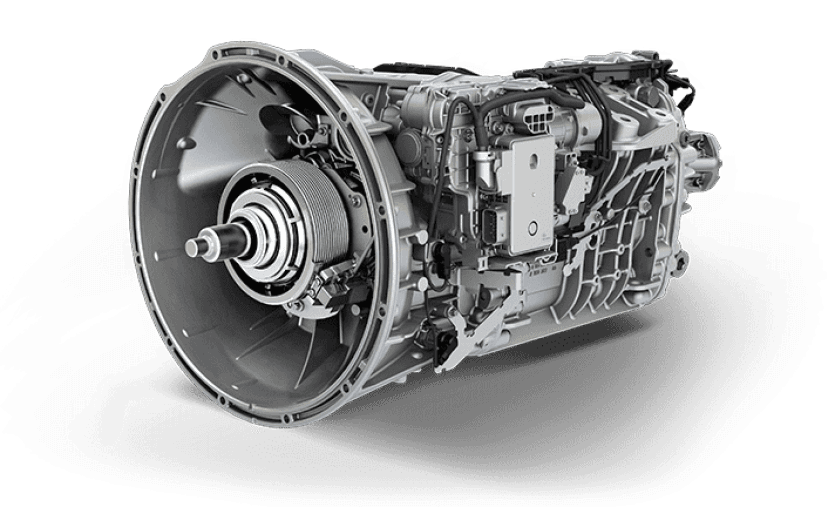
A delay when shifting from Park into Drive or Reverse does not automatically mean the complete automatic transmission has failed. The cause can involve fluid level or drain-back, a hydraulic leak, valve body, solenoid, software, range input, torque converter, or internal clutch. Document when it happens and follow the exact OEM diagnostic procedure before buying a replacement.
Define the delay before diagnosing it
“Delayed engagement” should describe a measurable pause between selecting Drive or Reverse and the transmission applying that range. It may be followed by a smooth engagement, a soft slip, or a sudden bump.
Those patterns are not interchangeable. A vehicle that pauses only after sitting overnight may have a different fault from one that delays every time it is shifted. A delay into Reverse only is different from a delay into both Drive and Reverse. A transmission that engages normally but the engine hesitates is another problem altogether.
Record:
- Whether the delay occurs in Drive, Reverse, or both
- Whether it follows an overnight soak, a short stop, or every shift
- Ambient and transmission-fluid temperature
- Time between selecting the range and vehicle movement
- Whether engine speed rises during the delay
- Whether engagement is smooth, soft, harsh, or followed by slipping
- Warning lights, messages, and all stored or pending codes
- Whether the issue began after service, programming, battery work, or a leak
Do not raise engine speed to force engagement. The transmission may apply suddenly, increasing the risk of vehicle movement and component damage.
Cold-only delay can point in a different direction
Some manufacturer bulletins describe a first engagement delay after the vehicle sits for several hours. In certain applications, fluid can drain from a hydraulic circuit or torque converter and require time to refill after startup. Ford, for example, identifies a delayed initial engagement as a normal characteristic on a specific range of F-Super Duty trucks with the 10R140 transmission. A General Motors bulletin for certain other transmissions instead provides a test and component repair for confirmed converter drain-back.
These examples are deliberately different: the same driver description can lead to “normal characteristic,” a targeted repair, or further diagnosis depending on the exact vehicle and transmission. Never apply a bulletin by symptom alone. Confirm model, year, engine, transmission code, build information, and all bulletin conditions.
A useful cold test should reproduce the customer’s actual conditions. Starting or moving the vehicle before the technician monitors it can erase the best diagnostic opportunity for that day.
Check fluid level by the specified procedure
Low fluid can allow delayed pressure buildup or aeration. Overfilling can also cause shift or engagement problems. Fluid level cannot be judged reliably without the required vehicle position, fluid temperature, engine state, selector sequence, and fill method.
Some transmissions use a dipstick; others use a level plug or standpipe. Many require scan-tool temperature data. Use only the specified fluid. Color does not prove compatibility, and a generic additive is not a substitute for diagnosis.
The technician should inspect for:
- External leaks at the pan, case, cooler lines, seals, and connectors
- Correct fluid level at the specified temperature
- Correct fluid specification
- Aeration, discoloration, odor, coolant contamination, or metal
- Incorrect fill following recent service
- Restricted filter or pickup when the service procedure calls for inspection
- Cooler-flow or thermal-control issues where relevant
A fluid service cannot repair a damaged clutch, valve body, seal, or mechanical assembly. It should be performed only when supported by the manufacturer’s procedure and inspection findings.
Use scan data before removing the transmission
An electronic range selector, transmission range sensor, control module, solenoid, pressure-control system, or software calibration can affect engagement. A technician can compare the requested range with the range recognized by the control module and monitor input speed, output speed, engine speed, commanded pressure, clutch states, and solenoid data when supported.
Useful questions include:
- Does the control module recognize Drive or Reverse immediately?
- Are communication, voltage, or range-sensor codes present?
- Does input or turbine speed respond as expected after startup?
- Is the transmission commanding the correct clutch?
- Are pressure-control or shift-solenoid codes stored?
- Is updated software or a manufacturer diagnostic bulletin applicable?
- Have adaptive values been altered by a recent reset or repair?
Do not erase codes or disconnect the battery before recording the evidence. Clearing data can remove clues needed to distinguish an electrical or control problem from an internal hydraulic fault.
Valve body, solenoid, or internal transmission?
The valve body routes hydraulic pressure to the clutches and brakes that apply each range. Solenoids regulate that flow under module control. Wear, contamination, a sticking valve, failed solenoid, damaged separator plate, leaking seal, or internal clutch problem can create overlapping symptoms.
A pressure test, scan-tool functional test, pan inspection, air check, or application-specific test may be required. The manufacturer procedure determines which step is appropriate.
Evidence supporting a targeted valve-body or solenoid repair can include a confirmed electrical fault, hydraulic test result, applicable bulletin, or repeatable control response. Evidence supporting complete transmission removal or replacement can include internal debris, clutch material, loss of pressure, ratio errors, failed clutch application, damaged hard parts, or test results that isolate an internal leak.
A parts quote should reflect that distinction. “Delayed engagement” is a symptom; “complete transmission required because the specified clutch circuit failed its test” is a repair conclusion.
Rule out engine and driveline confusion
A vehicle may engage the transmission normally but hesitate to move because the engine lacks torque, the throttle is limited, a brake is dragging, or a driveline component is binding. Excessive mount movement can make engagement feel harsher than it is.
Have the shop distinguish:
- Delay in hydraulic engagement
- Engine hesitation after engagement
- Torque-converter behavior
- Transfer-case or driveline binding
- Brake drag
- Broken or slipping axle or driveline components
- Excessive engine or transmission mount movement
The vehicle should be secured during testing. Diagnosis around a running vehicle and rotating driveline belongs with trained technicians using appropriate equipment.
When replacement is justified, match more than the VIN
Once testing supports complete replacement, collect the transmission’s own identification. The full VIN is the starting point, but the label, stamped code, part number, drive layout, engine, production date, connectors, output arrangement, and electronic setup can all affect interchange.
Use the VIN decoder to organize basic vehicle details, then follow the automatic-transmission fitment checklist to document the original unit. A similar case or matching pan shape is not sufficient proof.
Also confirm whether the replacement includes:
- Torque converter
- Valve body and solenoids
- Internal or external control module
- Harness and sensors
- Cooler fittings
- Mounts and brackets
- Transfer-case connection hardware
- Required identification or solenoid strategy data
Ask the installer about programming, initialization, adaptive learning, fluid, cooler service, and contamination control before the unit ships.
Delayed-engagement diagnostic checklist
Before buying a used automatic transmission, obtain:
- Exact symptoms in Drive, Reverse, or both
- Cold, warm, first-start, and repeat-engagement behavior
- Measured delay under the specified test conditions
- Complete diagnostic trouble-code report
- Freeze-frame and relevant live scan data
- Fluid level checked by the correct temperature-based procedure
- Fluid condition and pan or filter findings when inspected
- Leak and cooler-system inspection
- Battery voltage, grounds, wiring, range-input, and connector checks
- Applicable OEM bulletin or software status
- Pressure, solenoid, valve-body, or clutch test results
- Written explanation of why a targeted repair is or is not appropriate
- Original transmission identification and vehicle configuration
- Programming and installation plan for the replacement
When the complete assembly is confirmed as the correct repair, include those details with a used transmission quote request.
Frequently asked questions
Is a short delay after a cold start always a failure?
No. Some vehicles have a documented operating characteristic, while others have a specific repair procedure. The duration, temperature, transmission model, build data, and OEM guidance determine what is normal.
Can low transmission fluid cause delayed engagement?
Yes, low fluid can affect hydraulic pressure, but overfilling and incorrect fluid can also cause problems. Check the level using the exact manufacturer procedure and repair the reason for any loss.
Will changing the fluid fix delayed Drive or Reverse?
Not necessarily. Fluid service may be part of a specified repair, but it will not correct every software, solenoid, valve-body, clutch, seal, or mechanical fault. Diagnose first.
Does delayed Reverse mean the whole transmission is bad?
No. A Reverse-only delay can involve a control, hydraulic, or internal circuit specific to that range. Testing is required before deciding between programming, targeted repair, or replacement.
Can a used transmission be installed without programming?
It depends on the vehicle. Some require programming, solenoid data, initialization, adaptive learning, or scan-tool setup. Confirm the requirements before purchase.
Measure the delay, then buy the verified repair
Delayed engagement is a useful symptom only when its conditions are documented. Reproduce it cold and warm, verify fluid level, retain codes and scan data, check controls and hydraulics, and apply the exact OEM procedure. If the evidence then supports replacement, match the transmission by verified identification and configuration rather than the symptom alone.