Car Maintenance & Repair · Oct 16, 2026
Axle Seal Leak: Do You Need a Seal, Shaft or Complete Assembly?
Learn when an axle-fluid leak needs a seal, shaft, bearing repair or complete used axle assembly—and what to verify before buying.
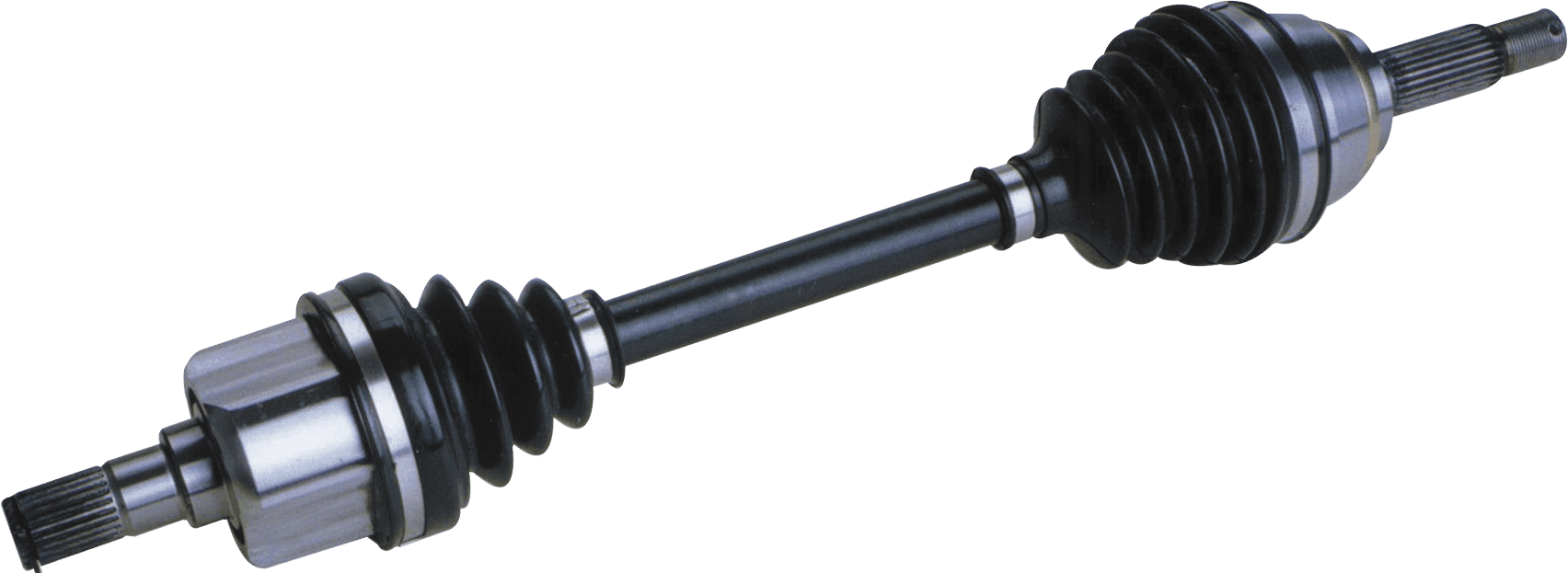
An axle-fluid leak does not automatically mean the complete axle assembly needs replacement. The correct repair may be a seal, bearing, shaft, yoke, vent service, differential repair, or complete housing—depending on where the leak starts and what caused it. Diagnose the leak and inspect the supporting surfaces before buying a large used assembly.
First identify the fluid and the exact leak location
Fluid near a wheel or axle housing can come from more than one system. Gear oil may escape from an axle-shaft seal, pinion seal, differential cover, carrier-to-housing joint, fill or drain plug, or damaged housing. Brake fluid, engine oil, transmission fluid, transfer-case fluid, and grease can travel across nearby components and be mistaken for an axle leak.
A technician should clean the area, restore the correct fluid level, and trace the first wet point. The leak should be identified before parts are ordered. Do not keep driving solely to “see where it gets worse”: low lubricant can damage bearings and gears, while fluid reaching brake friction surfaces can affect braking.
Record:
- Whether the leak is at the wheel end, differential cover, pinion yoke, carrier joint, vent, plug, or housing
- Fluid color, odor, and consistency
- Current axle or differential fluid level
- Whether fluid has reached brake components
- Any noise, vibration, looseness, or overheating
- Evidence of impact, corrosion, cracks, or previous repair
A seal may be the symptom rather than the cause
An oil seal retains lubricant while excluding dirt. It depends on a clean sealing lip, a smooth shaft or yoke surface, correct installation depth, controlled shaft movement, and proper lubrication.
Dana/Spicer service information directs technicians to inspect seal contact surfaces, the housing bore, bearings, and endplay rather than treating every leak as an isolated rubber-seal problem. A new seal can leak again if the shaft is grooved, the yoke is damaged, a bearing permits excessive movement, the bore is nicked, or debris damages the sealing lip.
Before approving “replace the seal,” ask whether the shop checked:
- Shaft, flange, or yoke sealing surface for grooves, rust, and scoring
- Bearing condition and shaft or pinion movement
- Seal bore for damage or corrosion
- Correct seal part number and installation depth
- Housing vent or breather condition
- Fluid level and correct lubricant specification
- Axle housing alignment or impact damage
The exact inspection limits and procedures are axle-specific. Measurements should come from the manufacturer’s service information, not a universal online value.
Check the vent before blaming the assembly
As an axle warms, the air and lubricant inside expand. A vent or breather allows pressure to equalize. If it is blocked, kinked, contaminated, or incorrectly routed, pressure may encourage lubricant to escape through seals or joints.
A vent problem does not prove the seal is still usable, but it can explain a repeat leak. Have the technician inspect the vent, hose, routing, and connection as applicable. On some designs the vent is part of the housing; on others it uses a hose or remote fitting. Replace or clean components only according to the manufacturer’s procedure.
Overfilling can also contribute to leakage. Fluid level must be checked with the vehicle positioned as specified and filled with the correct lubricant to the specified level. “More” is not safer.
When a shaft or yoke may be enough
If diagnosis finds a worn or damaged seal contact surface on an otherwise sound axle, the repair scope may include the affected shaft, axle flange, pinion yoke, seal, bearing, or approved repair component rather than the entire housing.
For a wheel-end leak, the shop should determine whether the vehicle uses a semi-floating, full-floating, independent, or other axle design because the shaft, hub, bearing, and seal relationships differ. A rear axle shaft is not interchangeable with a front CV half shaft simply because both are called axles.
Before ordering an individual component, capture:
- Left or right side and front or rear position
- Axle model, tag, bill-of-material, or assembly number
- Shaft length and spline details when the supplier requests them
- Flange style and bolt pattern
- ABS tone-ring or wheel-speed-sensor arrangement
- Bearing and seal configuration
- Photos of the original label and damaged surface
If the shop has not decided whether the repair needs a shaft or a complete housing, review the axle assembly versus axle shaft checklist before requesting a part.
When bearing or differential work changes the decision
A leaking wheel-end seal accompanied by bearing noise, metal debris, excess play, or a damaged bearing seat may require more than a seal. Likewise, a pinion leak with abnormal pinion movement or gear noise can indicate a bearing or differential setup problem.
Differential repairs may require controlled bearing preload, backlash, gear contact, and fastener procedures. Replacing a pinion seal without preserving or resetting the correct assembly condition can create another problem. The technician should follow the service procedure for the exact axle rather than use a generic tightening method.
For buyers, the key question is whether a qualified shop will repair the original axle or whether a verified used assembly offers the more practical repair scope. That decision depends on the measured damage, available labor and tooling, component availability, and condition of the rest of the axle—not on leakage alone.
When the complete axle housing may be justified
A complete used axle assembly becomes more relevant when inspection finds structural or alignment damage, a cracked housing, damaged bearing bores, severely worn mounting points, multiple internal failures, or collision damage affecting the assembly.
Dana service information states that damage affecting housing alignment or structural integrity requires housing replacement and warns against trying to correct it by bending or straightening. That guidance is written for the axle families covered by its manuals, but the broader buying lesson is useful: structural damage needs an engineering-supported repair decision, not an improvised straightening attempt.
Evidence that can support complete-assembly replacement includes:
- Visible cracks or impact deformation
- Bent tubes or misaligned wheel ends confirmed by measurement
- Damaged bearing fits or machined surfaces
- Broken or distorted mounting brackets
- Extensive metal contamination from internal failure
- Damage across the housing, differential, shafts, and brakes
- A repair estimate showing the original unit is not reasonably serviceable
Surface rust, oil staining, or a replaceable seal leak does not by itself establish that the housing is unusable.
Inspect a used axle assembly before accepting it
A replacement assembly should be evaluated for the same issues that condemned the original. Ask for current photos of the actual unit and its identification marks. Inspect, or have the receiving shop inspect:
- Tubes and housing for bends, cracks, weld damage, and impact marks
- Spring pads, control-arm brackets, shock mounts, and suspension points
- Flanges, studs, threads, and machined sealing surfaces
- Pinion or input flange movement
- Axle-shaft and wheel-end condition
- Differential cover and carrier joints
- Vent, plugs, and protected openings
- Fluid leakage and evidence of water contamination
- Electrical connectors, wheel-speed sensors, and tone rings
- Shipping pallet, straps, and transit damage
Used brakes, hubs, seals, and sensors attached to the assembly should not automatically be treated as service-ready. The installer should identify which wear items, fluids, seals, gaskets, and one-time-use fasteners require replacement.
Match the assembly before freight is booked
The VIN helps identify the vehicle but may not uniquely identify the axle. Use the VIN decoder as a starting point, then verify the axle tag, stamped code, bill of material, gear ratio, differential type, drive configuration, braking equipment, and mounting layout.
For four-wheel-drive and all-wheel-drive vehicles, front and rear final-drive ratios must be compatible. Also confirm whether the original differential is open, limited-slip, locking, or electronically controlled where applicable.
Ask the seller to state exactly what “complete” includes. Depending on the listing, brakes, hubs, shafts, differential carrier, sensors, cables, brackets, and suspension links may be included, excluded, or attached only for shipping convenience.
Buyer checklist for an axle-leak replacement
Before requesting a used axle assembly, collect:
- Full 17-character VIN and build information
- Written diagnosis and exact source of the leak
- Reason a seal, bearing, shaft, yoke, or vent repair is insufficient
- Front or rear position and drive configuration
- Axle tag, stamped codes, casting numbers, and label photos
- Gear ratio and differential type
- Brake, hub, ABS, and suspension configuration
- Clear photos of the original housing and damaged area
- Required included components
- Installer’s fluid, seal, bearing, and setup plan
- Commercial or residential delivery details
- Receiving inspection and documentation plan
When these details are confirmed, send them with a used axle assembly quote request. A precise request reduces the chance of shipping a heavy assembly that does not match the repair.
Frequently asked questions
Does an axle seal leak mean the axle is bent?
No. A worn seal, damaged sealing surface, bearing movement, vent restriction, incorrect fluid level, or housing damage can cause leakage. Inspection and measurement are needed to identify the cause.
Can I replace only the axle seal?
Sometimes, but only after the shaft or yoke surface, bearing condition, endplay, seal bore, vent, and fluid level are checked. Replacing the seal without correcting the cause can lead to another leak.
Does gear oil on the brakes require a full axle assembly?
Not by itself. Contaminated brake friction components may require service, and the axle leak must be repaired, but the assembly decision depends on the underlying axle condition.
Can a used axle assembly arrive ready to install?
Do not assume it will. Fitment, housing condition, fluid, seals, bearings, brakes, sensors, attached hardware, and required setup should all be inspected by the installer.
Is a matching gear ratio enough for fitment?
No. Ratio is important, especially on AWD and 4WD vehicles, but housing dimensions, mounting points, differential type, brakes, ABS equipment, shafts, connectors, and assembly identifiers must also match.
Buy the repair scope the diagnosis supports
A small leak and a damaged axle housing are not the same repair. Find the first wet point, identify why the seal failed, inspect bearings and sealing surfaces, and measure suspected structural damage. Only then decide whether the vehicle needs a seal, shaft, bearing, differential repair, or complete used axle assembly.