Car Maintenance & Repair · Oct 13, 2026
Axle Assembly or Axle Shaft? A Used-Part Fitment Checklist
Learn how to distinguish an axle assembly from an axle shaft and verify fitment, included hardware, gearing, brakes, sensors, and delivery details.
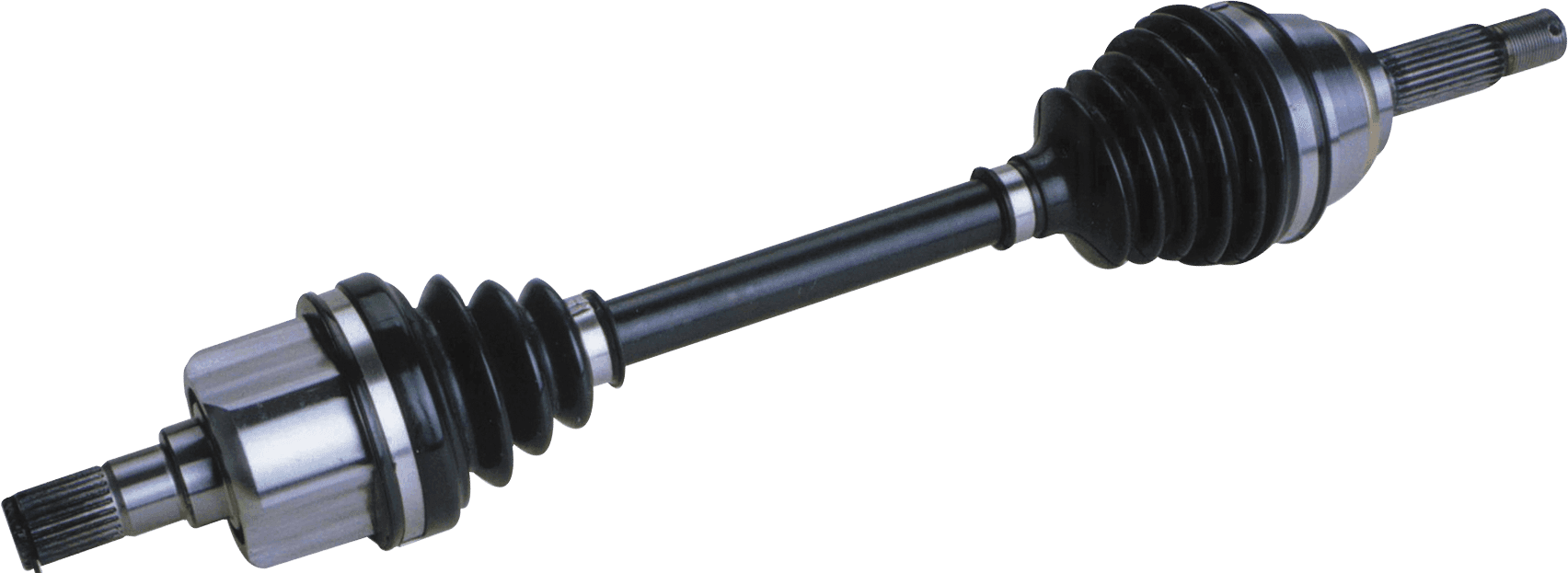
A replacement axle must match more than the vehicle’s year, make, and model. Before buying, confirm whether the repair calls for a complete axle assembly or only an axle shaft, then match the unit’s location, drive configuration, identification numbers, gear ratio where applicable, and included components.
Axle assembly vs. axle shaft: what is the difference?
An axle shaft is one rotating shaft that transfers torque to a wheel or hub. Depending on the vehicle, sellers may also use terms such as half shaft or CV axle for an individual shaft assembly.
A complete axle assembly is a larger unit. On a driven solid axle, it can include the housing, differential carrier, axle shafts, and related mounting points. On other designs, an “axle assembly” listing may describe a crossmember or beam with hubs, brakes, sensors, or suspension attachments. The words alone do not guarantee what is included.
That distinction changes the labor plan and the parts still needed for installation. Ask the seller for an itemized description and current photos of the actual unit whenever possible.
Start with the vehicle and the failed component
Use the vehicle identification number to establish the original year, make, model, body configuration, and drive type. The free VIN decoder is a useful starting point, but the VIN should be combined with the axle’s physical identification and the repair diagnosis.
Then confirm what failed. A bent housing, damaged differential, worn bearing, broken shaft, faulty wheel-speed sensor, or seized brake component can point to very different replacement scopes. If the diagnosis calls for one shaft, buying a full housing may add unnecessary freight and installation work. If the housing or differential is damaged, a shaft alone will not solve the underlying problem.
Match the axle’s position and drive configuration
Record whether the required unit is:
- Front or rear
- Left or right, if buying an individual shaft
- For front-wheel drive, rear-wheel drive, all-wheel drive, or four-wheel drive
- From a solid/live axle, independent suspension, torsion-beam, or other applicable layout
- Intended for the vehicle’s specific wheelbase, body style, and load or towing package when those affect the axle
A model name may cover several driveline layouts in the same model year. Do not treat a visual resemblance as proof of interchange.
Find and photograph the identification marks
Before requesting a replacement, photograph the original axle from several angles. Capture any metal tag, stamped number, barcode label, casting number, and differential cover shape. Dana/Spicer service information shows why these details matter: depending on the axle, identification can include the model, bill of material or specification number, manufacturing date, serial or part number, and ratio.
For an individual shaft, useful physical details may include spline count, overall or body length, flange style, bolt pattern, seal surface, and ABS tone-ring arrangement. A supplier should identify which measurements or codes are needed for the application rather than relying on appearance alone.
Gear ratio and differential type still matter
When the assembly contains a differential, confirm its gear ratio. On four-wheel-drive and all-wheel-drive vehicles, the front and rear final-drive ratios must be compatible. A mismatched ratio can create driveline binding and damage.
Also identify whether the original uses an open, limited-slip, locking, or electronically controlled differential where applicable. A tag or build record can help, but physical identification and the original equipment information should agree. If your repair is specifically about the carrier or final drive, the separate used differential fitment guide explains that verification process in more detail.
Confirm exactly what comes with the assembly
“Complete” is not a universal inventory standard. Ask for a written list covering:
- Differential carrier and axle shafts
- Hubs, bearings, backing plates, and wheel studs
- Brake calipers, rotors or drums, parking-brake hardware, and cables
- Wheel-speed sensors, tone rings, wiring, and connectors
- Control arms, trailing arms, mounts, brackets, and sway-bar links
- Vent, cover, drain or fill plugs, and any shipping caps
- Whether fluids, seals, fasteners, and one-time-use hardware are excluded
Brake and suspension pieces attached to a used axle may be included for convenience rather than represented as service-ready. Plan to inspect wear items and replace seals, fluid, or installation hardware according to the vehicle manufacturer’s service information.
Used axle assembly buying checklist
Before approving an order, send the supplier:
- The full 17-character VIN.
- Exact part requested: complete assembly, housing, differential, axle shaft, or CV half shaft.
- Front or rear position and left or right side where relevant.
- Drive type and transmission or powertrain details requested by the seller.
- Every readable tag, stamped code, casting number, and label.
- Gear ratio and differential type if the unit contains the final drive.
- ABS sensor, tone-ring, brake, hub, suspension, and connector details.
- Photos of the original unit, mounting points, and connectors.
- Delivery address type, unloading equipment, and installation deadline.
- Written confirmation of included parts, condition, return terms, and warranty requirements.
Heavy axle assemblies may ship by freight. Review the shipping policy and tell the supplier whether delivery is to a repair shop, commercial dock, or residence. When the details are ready, submit them through the parts quote form so the requested scope is documented.
Frequently asked questions
Can the VIN identify the correct axle by itself?
Not always. The VIN can narrow the factory configuration, but axle tags, build codes, ratio, options, and physical features may still be needed. Use the VIN as the starting identifier, not the only one.
Does a complete axle assembly include brakes and sensors?
Sometimes, but the term “complete” varies by seller and inventory item. Confirm every included component in writing. Treat attached wear items separately unless their condition and inclusion are expressly stated.
Can a rear axle with a different gear ratio be installed?
A different ratio changes vehicle behavior and can be incompatible with the rest of the driveline. On four-wheel-drive and all-wheel-drive applications, incompatible front and rear ratios can cause binding and damage. Match the original specification unless a qualified driveline professional is engineering a complete ratio change.
Should seals and fluid be replaced during installation?
Follow the vehicle manufacturer’s service procedure and inspect the replacement unit before installation. Many repairs reasonably include fresh specified lubricant, new seals where disturbed or leaking, and replacement of designated one-time-use fasteners, but the exact requirements depend on the axle and vehicle.