Car Maintenance & Repair · Oct 14, 2026
Buying a Used CVT: Codes, Cooler Service and Calibration Checklist
Buying a used CVT? Verify the exact unit, cooler service, calibration data, specified fluid, included controls, and post-installation procedures.
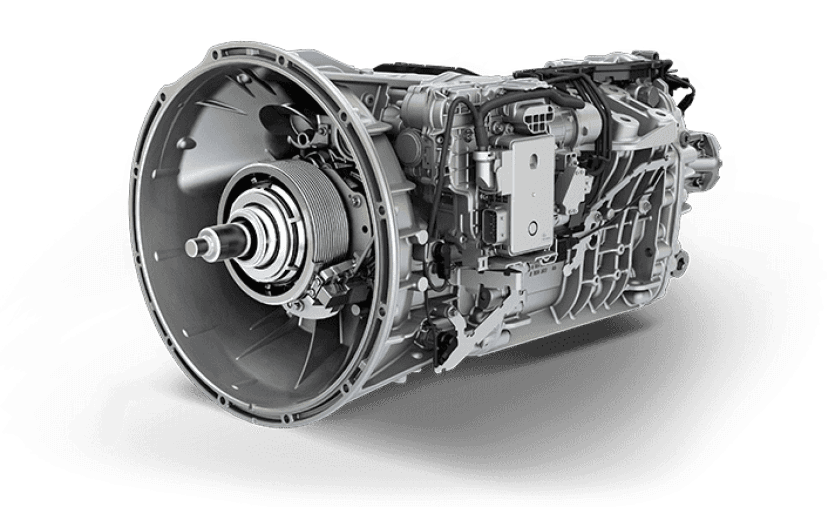
A continuously variable transmission must be matched and installed as a complete system, not selected only by model year or the word “CVT.” Before buying a used CVT, verify the transmission code, drivetrain, control components, calibration requirements, cooler condition, specified fluid, and installation procedure for the exact vehicle.
Confirm that the vehicle needs a complete CVT
Judder, delayed engagement, warning lights, reduced-power operation, noise, or ratio-related diagnostic trouble codes do not automatically prove that the entire transmission requires replacement. A fault may involve the valve body, control module, wiring, sensors, fluid level, cooler circuit, mounts, axles, or engine operation.
Ask the repair shop to retain the diagnostic trouble codes, freeze-frame information, fluid observations, and test results that support replacement. A complete diagnosis also helps identify contamination or control problems that must be corrected before another unit is installed.
Match the exact CVT, not just the vehicle name
Begin with the full 17-character VIN; the VIN decoder helps confirm the basic vehicle configuration. Then record the original CVT identification label, transmission code, OEM part number, serial number, production information, and any QR or calibration label.
Also confirm:
- Engine and powertrain version
- Front-wheel, all-wheel, or other drive configuration
- Body style and market specification
- Build date or production break where relevant
- Connector count, shape, and location
- Axle and output configuration
- Mounting points and case features
- Cooler-line fittings
- Valve-body and control-module arrangement
- Shifter and range-sensor design
Two CVTs can look alike while using different hardware or control data. Use manufacturer interchange information or a qualified parts-matching system; appearance is only a preliminary check.
Ask what the used CVT includes
A seller may describe the transmission as complete even when some external parts are excluded. Get a written inclusion list covering:
- Torque converter, when the design uses one
- Valve body or control valve
- Transmission control module
- Internal and external wiring
- Speed, pressure, temperature, and range sensors
- Cooler lines and fittings
- Mounts, brackets, and inspection covers
- Axle seals and output hardware
- Dipstick or fill components where applicable
- Fluid, filter, pan, gasket, and installation hardware
Attached components may be included for convenience without being represented as ready for reuse. The installer should determine what must be inspected, serviced, transferred, or replaced.
Plan for calibration and learning procedures
Many CVT applications use transmission-specific data and electronic setup. Nissan’s April 17, 2024 bulletin NTB12-103I, for example, provides a calibration-data writing procedure for specified Nissan models when a complete CVT, valve body, or TCM is replaced. That bulletin applies only to the vehicles and transmissions it lists, but it demonstrates why the installer must review current OEM service information before ordering.
Depending on the vehicle, the repair may require:
- Saving or writing calibration data
- Programming or configuring the TCM
- Matching a valve-body or transmission identification code
- Erasing previous adaptive values
- Performing clutch-point, pressure, ratio, or other learning procedures
- Resetting systems affected by battery disconnection
- Confirming current software before or after installation
Programming cannot make an incompatible CVT fit. Hardware interchange must be established first.
Address the cooler and contamination
An internal CVT failure can send debris through the fluid circuit. Nissan service bulletins for specific applications require a CVT cooler flush after certain CVT or valve-body replacements. Subaru’s repair policies also distinguish component repairs from failures that contaminate the fluid.
Do not turn those examples into a universal flushing rule. The correct action depends on the vehicle, failure mode, cooler design, contamination level, and manufacturer procedure. Ask the installer whether the radiator-integrated cooler, auxiliary cooler, heat exchanger, hoses, and lines must be tested, cleaned, or replaced.
A restricted or contaminated cooler circuit can affect lubrication and operating temperature. The repair order should state how the cooler system will be handled before the replacement CVT is connected.
Use only the specified CVT fluid and fill procedure
CVT fluid is application-specific. Honda, for example, warns in current owner information not to mix its specified HCF-2 fluid with other transmission fluids. Other manufacturers specify their own fluids, service temperatures, fill methods, and level-check procedures.
“Universal CVT fluid” should not be accepted merely because the label says CVT. The installer should use the exact specification listed for the vehicle and follow the prescribed temperature and level procedure. Confirm whether the used unit ships drained and how much fluid is required for the transmission and cooler circuit.
Review condition, shipping, and warranty terms
Request photos of the actual unit and all labels. Ask for the donor VIN when available, recorded mileage, inventory number, stated test method, fluid observations, visible case damage, broken connectors, damaged cooler fittings, and whether all ports were capped for transport.
Check the warranty policy before installation. Note any requirements for diagnostic records, cooler service, fluid type, filters, professional installation, programming, activation, return authorization, and labor exclusions. Keep the quote, invoice, photographs, codes, fluid receipts, and installation records together.
Used CVT buying checklist
Before approving an order, verify:
- Full VIN and correct engine, drivetrain, and build configuration
- Original CVT code, label, part number, and clear photographs
- Physical case, mount, axle, connector, sensor, and cooler-port match
- Written list of included valve body, TCM, wiring, converter, and hardware
- Diagnostic basis for replacing the complete CVT
- Cooler inspection, cleaning, or replacement plan
- Exact fluid specification and fill procedure
- Required calibration-data write, programming, reset, and learning steps
- Donor details, condition description, return terms, and warranty requirements
- Freight, unloading, damage-inspection, and installation arrangements
Include this information when submitting a parts quote request. The more precise the vehicle, transmission, and control data, the easier it is to evaluate the correct replacement.
Frequently asked questions
Can the VIN identify the correct CVT by itself?
Not always. The VIN narrows the factory configuration, but the original transmission code, label, build information, drivetrain, and calibration details may still be required.
Can a used CVT be installed without programming?
Some applications may need no programming, while others require calibration data, TCM setup, resets, or learning procedures. Check the current OEM procedure for the exact vehicle.
Must the CVT cooler always be flushed?
No single rule applies to every vehicle. The failure mode, contamination, cooler design, and manufacturer procedure determine whether the system is cleaned, tested, or replaced.
Is all CVT fluid interchangeable?
No. Use the precise fluid specification required by the vehicle manufacturer and follow the correct fill and level-check procedure.