Car Maintenance & Repair · Oct 16, 2026
Does High Oil Consumption Mean You Need an Engine? Tests Before Buying
Before buying a replacement engine for oil consumption, document oil loss, compression, leak-down results, fitment and the complete repair scope.
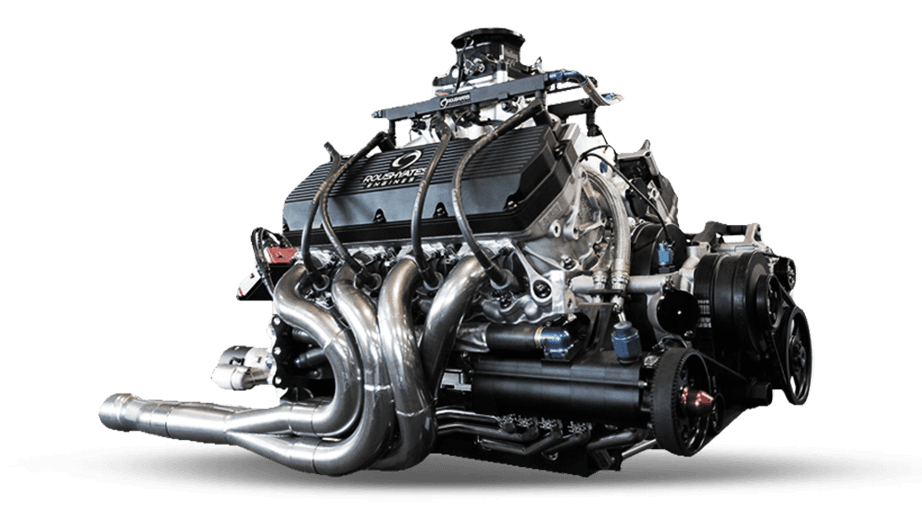
High oil consumption, blue exhaust smoke or low compression can point to serious internal wear, but none of those observations alone proves that a complete replacement engine is required. Before buying, ask the repair shop to document the oil-loss rate, rule out external leaks and related systems, record compression and cylinder-leakage results, and identify the exact engine package needed.
If the original failure followed an overheat, also review the engine replacement after overheating checklist, because cooling-system faults need a separate repair plan.
Measure oil loss before calling it consumption
A falling dipstick level can result from oil being burned, leaking externally or entering another system. Begin with a consistent measurement process using the oil grade and checking method specified for the vehicle.
The shop should document:
- starting oil level, date and odometer reading;
- oil and filter specification;
- where and how the vehicle is parked for level checks;
- the wait time required before reading the dipstick;
- every quantity added and the mileage at each addition;
- external leaks or oil found in coolant, intake or exhaust components; and
- operating conditions during the test.
Do not adopt a universal “acceptable” consumption number from another make or engine. Limits and test procedures are application-specific. A Subaru oil-consumption procedure filed with NHTSA, for example, instructs dealers to document a controlled oil-use test and then record cylinder leakage and dry and wet compression results when its stated threshold is exceeded. That procedure illustrates the need for evidence; its mileage and limits should not be applied to unrelated vehicles.
Rule out causes outside the long block
Oil can disappear without worn cylinder walls or rings being the only explanation. Depending on the engine, diagnosis may include external gaskets and seals, crankcase ventilation, turbocharger oil circuits, intake plumbing, valve-related leakage and contamination paths.
A General Motors technical bulletin for a specific 1.4-liter turbo application illustrates this diagnostic sequence. It tells technicians to inspect the PCV system, turbo housing, spark plugs, cylinders, intake manifold and air ducts before using compression and cylinder-leakage results to guide further work. The listed checks apply to the bulletin’s vehicles, but the broader lesson is useful: diagnose the route the oil is taking before ordering an engine.
Ask the shop to state which alternatives were inspected and what evidence supports an internal-engine diagnosis. “It smokes” is a symptom, not a complete parts specification.
Understand compression and leak-down results
A compression test measures the pressure produced while the engine cranks under defined conditions. A cylinder-leakage, or leak-down, test introduces regulated air into a cylinder positioned for testing and helps identify where pressure escapes.
The numbers are meaningful only when the test follows the correct service procedure. Battery condition, cranking speed, engine temperature, throttle position, test equipment and the way results are compared can affect the reading.
Request the full worksheet rather than a verbal summary:
- reading for every cylinder;
- dry and wet results when the service procedure calls for both;
- cylinder-leakage percentage for every cylinder;
- where escaping air was detected;
- engine temperature and test conditions;
- stored diagnostic trouble codes and misfire data; and
- any borescope photographs or other supporting observations.
One low cylinder may indicate a localized problem. Similar low readings across several cylinders can have a different diagnostic meaning. Let a qualified technician interpret the pattern using manufacturer specifications; do not select a replacement engine from an internet threshold alone.
Decide whether the repair needs a long block or complete assembly
Even after replacement is recommended, the buying decision is not finished. Sellers may use “engine” to describe packages with very different included parts.
Ask the installer whether the repair calls for:
- a short block, long block or complete used engine;
- intake and exhaust manifolds;
- turbocharger or supercharger;
- fuel injectors, rail and high-pressure pump;
- ignition components;
- sensors, wiring and control modules;
- starter, alternator and air-conditioning compressor;
- flywheel or flexplate; and
- oil cooler, filter housing and related lines.
A used engine may arrive with accessories attached for shipping convenience, but that does not mean every attached component is included, tested or intended for reuse. Obtain an itemized inclusion list and actual-unit photographs before payment.
Match the replacement beyond displacement
Two engines with the same displacement can differ in internal design, emissions equipment, fuel system, induction, sensors, mounts, oil-pan shape, wiring and production changes. Start with the VIN decoder, then have the installer match the original engine code, identification markings, build date and applicable interchange data.
Confirm:
- Full 17-character VIN.
- Original engine code and displacement.
- Fuel type and induction system.
- Emissions configuration.
- Transmission and drivetrain application.
- Production-date breakpoints.
- Sensor, connector and harness arrangement.
- Mounts, oil pan, covers and accessory layout.
- Flexplate or flywheel configuration.
- Components that must transfer from the original engine.
The VIN organizes vehicle information, but the original engine’s identification and an approved interchange remain essential.
Protect the replacement from the original cause
Replacing the long block does not repair a failed PCV system, contaminated intake, leaking turbocharger, restricted oil cooler or unresolved fuel-system fault. The installer should document which surrounding systems will be tested, cleaned, repaired or replaced.
If metal, sludge, coolant or fuel contaminated the failed engine’s oil, shared coolers, lines and housings require special attention. Cleaning or replacement decisions must follow current service information for that application.
Plan the correct oil, filter, coolant, seals, gaskets and one-time-use fasteners before installation. Confirm any programming, relearn or calibration procedures. On initial start, the shop should follow the supplier and manufacturer procedures for lubrication, pressure verification, leak inspection and temperature monitoring.
Buyer checklist before requesting a quote
Before you request an engine quote, collect:
- the shop’s written diagnosis;
- measured oil-loss history;
- compression and leak-down worksheets;
- codes, scan data and inspection photographs;
- VIN and original engine identification;
- requested engine package and inclusion list;
- required transferred components;
- surrounding-system repair plan;
- programming or relearn requirements; and
- delivery details and written order terms.
Quick answers
Does blue smoke always mean worn piston rings?
No. Oil can reach the combustion or exhaust path through more than one route. The engine, ventilation system, turbocharger when equipped, and related components need diagnosis.
Is a compression test enough to approve engine replacement?
Not always. Compression results should be interpreted with the symptoms, leakage testing, oil-loss documentation, scan data and the manufacturer’s diagnostic procedure.
Can I order by year, make, model and engine size?
Those details are a start, not final fitment confirmation. Provide the VIN and original engine code, then have the installer approve the interchange and physical configuration.
Should attached accessories on a used engine be considered included?
Only if the seller lists them in writing. Photographs can show configuration, but the written inclusion list controls what you should expect to receive.