Car Maintenance & Repair · Oct 23, 2026
Engine Overheats After Replacement: Air Pocket or Internal Damage?
Overheating after an engine swap may come from trapped air, leaks or cooling components—not necessarily a defective replacement engine.
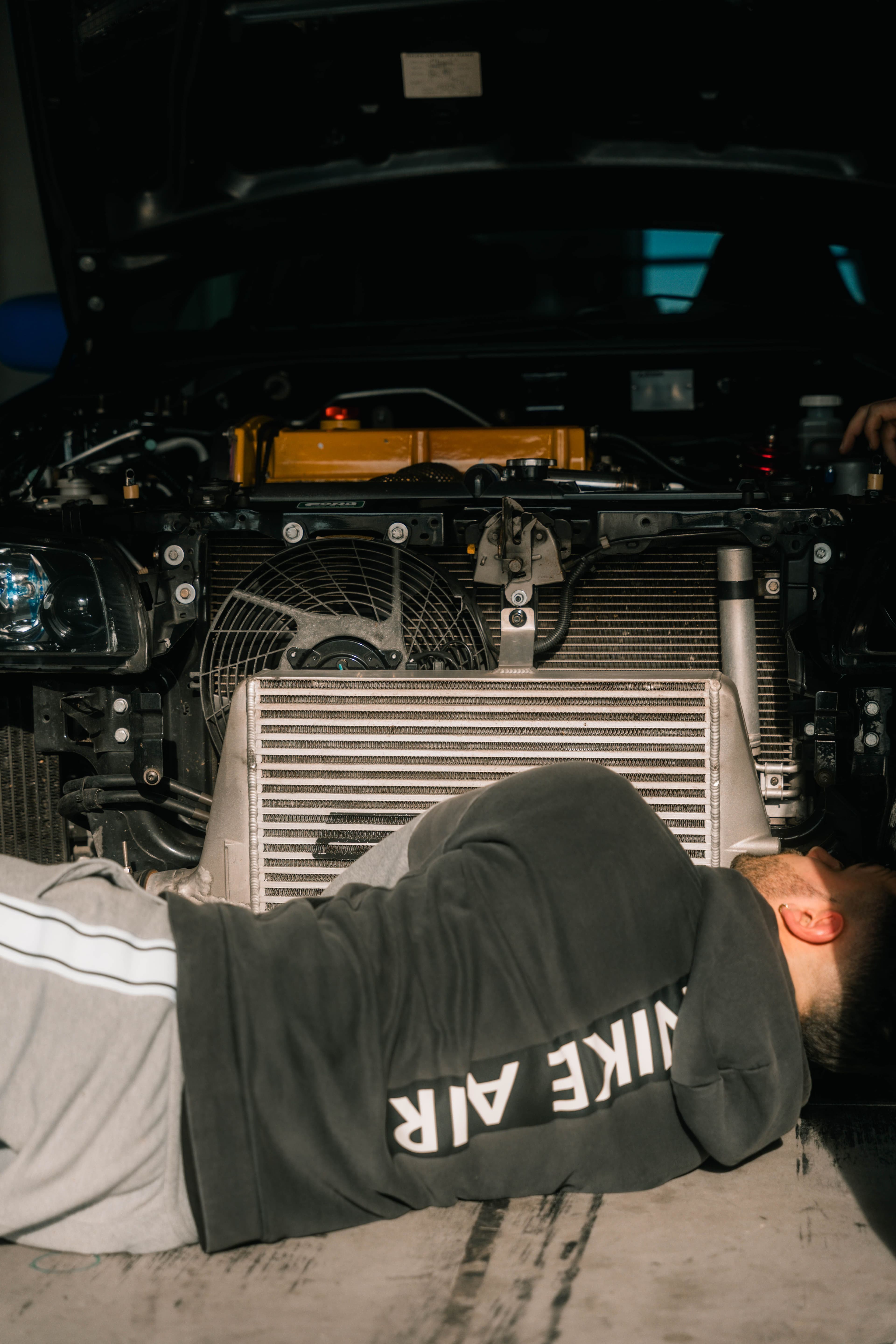
An engine that overheats soon after replacement is not automatically a bad replacement engine. The cooling system may contain trapped air, have an external leak, use the wrong fill procedure, or have a problem with the thermostat, coolant pump, radiator, fan controls or hose routing. Internal engine damage is possible, especially if the engine was operated while overheated, but it should be demonstrated with tests before another engine is ordered.
Stop driving if the temperature warning appears, coolant is expelled, steam is visible or the heater suddenly blows cold while the gauge rises. Continuing to run an overheating engine can turn a cooling-system installation issue into cylinder-head, head-gasket or bearing damage.
Why overheating can appear after an engine swap
Replacing an engine opens multiple parts of the cooling circuit. The installer may transfer the thermostat, pump, sensors, hoses, radiator connections, fan assembly or other accessories from the original setup. The system then has to be refilled and bled according to the procedure for that exact vehicle.
Modern cooling systems can include several circuits, electric pumps, electronically controlled valves and special fill modes. Simply filling the reservoir does not prove that the engine, heater core and other branches are full.
Volkswagen’s coolant-fill improvement bulletin gives a clear model-specific example: when pressure testing finds no internal or external leak, the bulletin says an air pocket from the initial fill may have escaped and advises against replacing cooling-system parts without evidence. The bulletin is not a universal repair procedure, but it illustrates why diagnosis should precede parts replacement.
Ford’s 2025 bulletin for certain 2021–2024 Bronco Sport vehicles with the 1.5-liter EcoBoost engine directs technicians to pressure-test the system, address a verified coolant-pump leak, then use the workshop procedure for draining, vacuum filling and bleeding. The exact steps apply only to the listed application, yet the principle is broadly useful: the leak, refill method and trapped-air removal are separate checks.
Air pocket, leak or failed cooling component?
Trapped air or incomplete fill
An air pocket can interrupt coolant circulation or leave a temperature sensor surrounded by vapor rather than liquid. Possible clues include gurgling, unstable heater output, a rapid temperature change after recent service or a coolant level that drops after the first heat cycles without an identified leak.
Those clues are not proof. The shop should repeat the current manufacturer fill and bleed procedure, using vacuum filling or a diagnostic fill mode when specified.
Hyundai service information for some electronically managed thermal systems warns that failing to use the prescribed coolant-filling mode can leave air pockets and cause engine overheating. This is why a generic bleed routine should not be substituted for the VIN-specific instructions.
External coolant leak
Inspect transferred and newly installed components: hose connections, clamps, radiator, expansion tank, thermostat housing, water pump, heater lines, oil cooler, turbo cooling lines when fitted, and cylinder-head or block connections. A pressure test can reveal leaks that are not obvious during a quick visual inspection.
Coolant found on the ground does not identify its starting point. It can travel along covers, brackets and the subframe before dripping.
Thermostat or coolant-pump problem
A thermostat that does not open, a damaged pump, incorrect belt routing, an electric-pump control problem or an incompatible transferred component can restrict flow. A 2025 Stellantis bulletin, for example, identifies the thermostat as the cause of an overheat message on the specific vehicles covered by that bulletin. That remedy should not be assumed for another model; it demonstrates that a thermostat fault can mimic a serious engine problem.
Radiator airflow or cooling-fan control
Overheating mainly at idle or low speed may point toward fan operation or airflow, while overheating under load can have other causes. Debris, blocked fins, incorrect fan direction, missing shrouds, wiring faults or a restricted radiator deserve inspection. The technician should command fans with a scan tool when the service procedure supports it and compare actual coolant temperature with the reported value.
Internal combustion leak or engine damage
An internal concern becomes more credible when testing finds combustion gas entering the cooling system, repeated pressure buildup from a cold start, coolant in a cylinder, verified compression or leak-down abnormalities, misfire with coolant loss, contaminated oil, a warped sealing surface or other documented damage.
Honda’s August 26, 2026 warranty-extension bulletin for eligible 2023–2026 CR-V Hybrid vehicles states that reduced cylinder-head-gasket effectiveness may produce overheating, coolant loss, misfire and P0300–P0304 codes. That coverage and diagnosis are VIN-specific, but the symptom combination shows why internal engine testing matters when coolant loss and misfire accompany overheating.
What the installer should document
Before a buyer accepts a second-engine recommendation, ask the shop for:
- The exact point in the drive cycle when overheating occurs
- Scan-tool coolant temperature and any stored codes
- Cold and hot coolant levels
- Cooling-system pressure-test results
- Every external leak found and repaired
- The coolant specification and mixture used
- The fill and bleed procedure completed
- Whether vacuum filling or an electronic fill mode is required
- Thermostat and coolant-pump test findings
- Radiator temperature pattern or flow findings
- Cooling-fan command and actual operation
- Heater performance during the event
- Combustion-leak, compression or leak-down results when internal damage is suspected
- Oil and coolant contamination findings
- Whether the engine was driven while overheated
This separates an incomplete installation from a damaged engine and creates a record that a parts supplier can evaluate.
When another engine may be justified
Another used or remanufactured engine becomes a reasonable option when testing confirms damage to the installed engine that is impractical to repair—for example, documented block or cylinder-head damage, severe internal coolant intrusion, or loss of compression tied to overheating.
If pressure testing, correct bleeding or an external cooling-system repair restores stable temperature, replacing the engine again would not address the actual cause. Likewise, a second engine can overheat if the original radiator restriction, fan fault, hose error or fill problem remains.
Use the iBid parts search only after the repair scope is clear. A parts listing confirms a category exists; it does not prove that a replacement engine is the remedy.
Replacement-engine fitment checklist
If internal damage is confirmed, collect:
- Full VIN, model year, make, model and trim
- Exact engine code and displacement
- Fuel type, aspiration and emissions configuration
- Drive type and transmission pairing
- Original engine label, casting and part-number photos
- Long block, short block or complete-engine requirement
- Components the installer will transfer
- Oil pan, pickup, mounts and accessory-bracket configuration
- Intake, exhaust, turbocharger and EGR provisions where applicable
- Sensor, harness and connector differences
- Flexplate or flywheel requirements
- Cooling-system parts that must be renewed or inspected
- Required programming, relearn and initialization steps
- Documented interchange or supersession
- Installer approval before shipment
The iBid VIN decoder can help collect vehicle details, but the VIN should be combined with the engine code and original-unit identification.
When requesting an iBid engine quote, include the written diagnosis, overheat history and the shop’s exact engine specification. Also identify which cooling-system fault was corrected so the replacement is not exposed to the same condition.
Questions buyers often ask
Can trapped air really cause an engine to overheat?
Yes. Air can prevent proper circulation or interfere with system operation. The remedy is the manufacturer’s fill and bleed procedure, not a generic assumption that every vehicle bleeds the same way.
Does a new thermostat rule out a thermostat problem?
No. The part can be wrong, installed incorrectly or controlled by another fault, and a new component is not proof of flow. Test the system using the correct service procedure.
Does coolant loss always mean a bad head gasket?
No. Hoses, pumps, housings, radiators, coolers and caps can leak. Pressure testing and internal-leak tests should establish the source.
Should an overheated replacement engine be driven to see if it clears?
No. Stop the engine safely and diagnose the cooling system. Additional overheating can cause damage that was not present during the first event.
Can I order another engine using only the VIN?
The VIN is important, but engine code, emissions configuration, transferred components and documented interchange should also be verified by the installer.
Fix the cause before replacing the engine again
The most useful question is not whether the engine got hot, but why. Confirm coolant quantity, pressure integrity, the prescribed fill procedure, circulation, fan operation and internal condition in that order. If the engine is damaged, those findings support a properly specified replacement. If the cooling system is at fault, correcting it protects the engine already installed—and any engine that follows.