Car Maintenance & Repair · Oct 18, 2026
ABS Light After Wheel-Bearing Work: What to Check Before Buying a Module
An ABS light after hub work may involve a sensor, encoder, wiring or installation—not the module. Learn what to verify first.
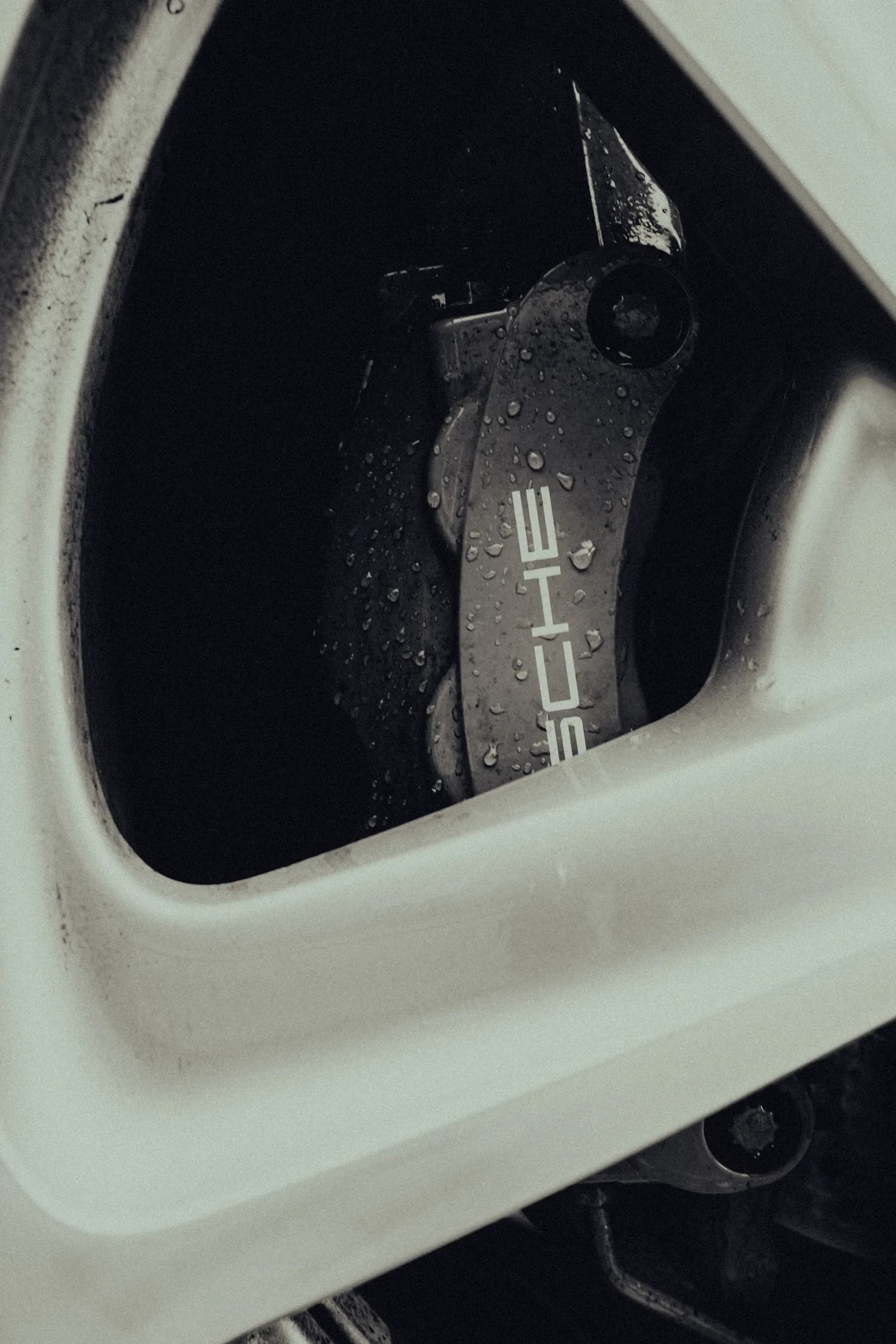
An ABS warning that appears after wheel-bearing, hub or axle work does not automatically mean the ABS module has failed. The repair may involve a wheel-speed sensor, magnetic encoder or tone ring, wiring, connector routing, incorrect part, or installation issue. Read the fault codes and inspect the repaired corner before ordering an ABS unit.
Start with the timing of the warning
The repair history is diagnostic evidence. Tell the technician whether the ABS, traction-control or stability-control warning appeared:
- Immediately after the bearing or hub replacement
- Only after the vehicle began moving
- At a specific speed
- While turning or driving over bumps
- Intermittently in wet conditions
- Together with a red brake warning
- With changed pedal feel or braking behavior
A warning that starts directly after work near a wheel-speed sensor deserves a careful inspection of that area. It does not prove the new bearing, sensor or ABS module is defective.
Because ABS is safety-related, follow the owner’s manual when warning lights appear. If a red brake warning, altered pedal feel or reduced braking performance is present, stop relying on a generic checklist and obtain professional service.
Read codes and live wheel-speed data first
Ask the shop for all current diagnostic trouble codes, not only a verbal description such as “ABS sensor code.” The technician should follow the vehicle-specific diagnostic tree and compare wheel-speed signals when the service procedure calls for it.
Nissan bulletin NTB10-102a for 2007–2013 Nissan vehicles equipped with ABS/VDC states that a sensor-related DTC should be fully diagnosed before parts are replaced. It directs technicians to confirm an active fault, inspect contamination and damage, evaluate the tone ring or bearing, and perform a repair-verification test.
That bulletin applies only to the covered Nissan vehicles, but the buyer lesson is broader: a code identifies a circuit or detected condition; it does not by itself prove that the ABS control unit is bad.
What can go wrong after bearing or hub work?
The magnetic encoder faces the wrong direction
Some wheel bearings contain a magnetic encoder ring that must face the sensor. If a directional bearing is installed backward, the sensor may not receive the intended signal even though the bearing fits mechanically.
Do not use a generic magnet test or disassembly method unless the manufacturer’s service information specifies it. The installer should confirm bearing orientation, part number and sensor-side markings for the exact application.
The replacement hub or bearing is the wrong version
A visually similar hub can use a different encoder, pole pattern or sensor arrangement. The bolt pattern and dimensions may match while the ABS signal does not.
A 2023 GM service communication for specified applications notes that if a front wheel-speed-sensor DTC remains after sensor replacement, technicians should verify the correct sensor part number and confirm that the sensor tip is oriented toward the wheel-bearing magnetic encoder ring. This is an application-specific example of why part identity and orientation matter.
The sensor or harness was damaged
A sensor can be struck, pinched or contaminated during removal. Wiring may be stretched, twisted, trapped behind a bracket or routed where the tire, axle or suspension can contact it. Connector pins can back out, bend or develop poor contact.
A manufacturer warranty-operations diagnostic guide lists damaged sensor wiring, harness faults, poor grounds, misconnection and corrosion among possible causes of ABS/ESC warnings. It also tells technicians to review recent repair history—especially relevant when a warning begins after hub work.
Rust or debris changed the sensor relationship
Rust scale or debris beneath a mounted sensor can affect its position on designs where sensor clearance matters. Metallic contamination can also interfere with a magnetic encoder signal. The correct cleaning and inspection procedure depends on the vehicle; avoid grinding, prying or using magnetic tools near an encoder unless the service information permits it.
The tone ring, bearing or axle component is damaged
Some systems read a separate toothed tone ring; others read a magnetic encoder integrated into a bearing or seal. Cracks, missing teeth, corrosion, looseness, impact damage or an incorrect replacement part can create signal dropouts.
The shop should identify which design the vehicle uses instead of treating “tone ring” and “wheel bearing” as interchangeable terms.
Sensor, hub or ABS module: how the decisions differ
A wheel-speed sensor is only one input device. The hub or bearing may contain the target that the sensor reads. The ABS module processes those signals, and the hydraulic unit controls brake pressure during ABS operation.
Before approving any purchase, ask the technician to state:
- Which wheel has the abnormal signal
- Whether the sensor receives power or bias as designed
- Whether circuit continuity and connector condition were checked
- Whether live data shows a dropout or implausible speed
- Whether the installed hub, bearing and sensor part numbers are correct
- Whether the encoder or tone ring is present, clean and correctly oriented
- Whether the harness is routed and secured correctly
- What test confirms the module itself is faulty
The guide ABS module, pump or wheel-speed sensor? explains how these components differ and what to verify before ordering.
When an ABS-unit purchase becomes reasonable
A used ABS module or hydraulic unit should enter the buying process only after the shop has identified that component and ruled out relevant wheel-end, wiring, power and ground issues. The repair recommendation should specify whether the electronic controller, hydraulic modulator, pump motor or combined assembly is required.
Before buying, confirm:
- Full VIN and vehicle build details
- Original manufacturer and supplier part numbers
- Every suffix on the original label
- Connector count, shape and keying
- Hydraulic-port layout if a hydraulic unit is included
- Whether the electronic and hydraulic sections are sold together
- Required coding, programming or calibration
- Required brake-bleeding procedure and diagnostic tooling
- Which brackets, fasteners and original components will be reused
Use the VIN decoder to organize vehicle information, but do not treat a VIN result alone as final fitment approval. Have the installer compare the original label and approve any interchange or supersession.
When you request a parts quote, include the VIN, complete original part number, shop diagnosis, requested assembly scope and clear label photos.
Post-repair verification matters
Clearing a code is not the same as completing a repair. The technician should follow the manufacturer’s verification procedure, which may include a scan, live-data check, controlled road test, calibration or initialization.
Ask for the final scan result and confirmation that the wheel-speed signals agree under the tested conditions. If the same code returns, diagnosis should continue from the applicable service information rather than moving automatically to a more expensive part.
Quick answers
Can a wheel bearing cause an ABS light?
Yes. On some vehicles the bearing or hub contains the magnetic encoder or tone ring read by the wheel-speed sensor. Damage, incorrect orientation or the wrong part can affect the signal.
Can a bearing be installed backward?
Some directional bearings must be installed with the encoder side facing the sensor. Whether this is possible and how orientation is identified depend on the exact design.
Does a wheel-speed-sensor code mean the sensor is bad?
No. The code can also relate to wiring, connectors, the encoder or tone ring, bearing condition, contamination, power, ground or an incorrect component.
Should I replace the ABS module after a warning appears following hub work?
Not without diagnosis. First inspect the repaired corner, confirm the installed parts and orientation, review live wheel-speed data and test the circuit according to the vehicle’s service procedure.